Vent covers and grilles are essential for airflow, yet they are often treated as purely functional elements. With thoughtful design choices, these necessary fixtures can become attractive wall features that enhance interior aesthetics.
In Newark, where many homes blend historic character with modern updates, decorative vent covers offer a practical way to improve appearance without compromising ventilation performance.
Why Decorative Vent Covers Matter in Interior Design
Standard metal grilles can interrupt the visual flow of a room. Decorative vent covers, on the other hand, allow homeowners in Newark to maintain efficient air circulation while complementing architectural style.
Key design advantages include:
- Improved visual harmony: Decorative patterns integrate vents into wall and floor designs rather than leaving them as distractions.
- Architectural enhancement: Grilles can reflect classic, contemporary, or transitional styles commonly found in Newark neighborhoods.
- Increased perceived quality: Upgraded vent covers contribute to a more refined and thoughtfully finished interior.
Rather than hiding vents behind furniture or rugs, decorative covers encourage intentional placement as part of the overall design plan.
Materials and Finishes That Suit Newark Homes
Choosing the right material helps vent covers blend seamlessly with surrounding surfaces while remaining durable and functional.
Popular options include:
- Cast iron: Ideal for older Newark homes with traditional architecture, offering durability and ornate detailing.
- Wood vent covers: Suitable for living areas where warmth and texture are desired, especially when stained to match flooring or trim.
- Aluminum and steel: Best for modern interiors, providing sleek profiles and contemporary finishes.
- Powder-coated finishes: Allow for custom colors that match walls, baseboards, or feature accents.
These material choices ensure that vent covers feel like intentional décor elements rather than mechanical necessities.
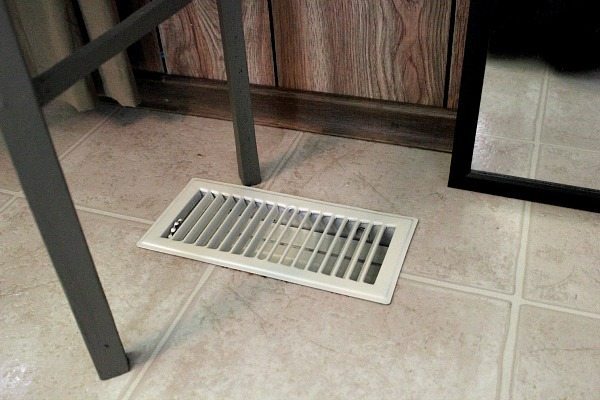
Turning Vents Into Design Features
With the right styling approach, vent covers can become subtle focal points that enhance room character.
Design strategies include:
- Symmetrical placement: Aligning grilles evenly along walls creates visual balance, especially in hallways or large living rooms.
- Pattern coordination: Selecting grille designs that echo wallpaper, tile, or molding motifs creates design continuity.
- Contrasting finishes: Dark grilles against light walls or light grilles against dark floors add depth and interest.
- Custom framing: Installing trim around vents can make them resemble decorative panels rather than mechanical openings.
Functional Considerations That Should Not Be Overlooked
While appearance matters, proper airflow must remain the priority. Decorative vent covers should never obstruct system performance.
Important functional factors include:
- Open airflow patterns: Designs must allow sufficient air passage to maintain heating and cooling efficiency.
- Easy removal for maintenance: Covers should be accessible for cleaning and duct inspections.
- Compatibility with HVAC systems: Proper sizing ensures balanced air distribution throughout Newark homes.
- Durable finishes: Materials should resist rust, warping, and paint buildup over time.
Ideal Rooms for Decorative Vent Upgrades
Certain areas benefit most from aesthetic vent improvements due to higher visibility and design emphasis.
Recommended spaces include:
- Living rooms: Where decorative details are most noticeable and design consistency is important.
- Dining areas: Where wall features contribute to ambiance and visual appeal.
- Entryways and hallways: High-traffic zones where vents are frequently seen.
- Home offices: Where calm, cohesive design supports focus and productivity.
Long-Term Benefits of Decorative Vent Covers
Beyond immediate aesthetic upgrades, decorative vent covers provide lasting advantages:
- Increased property appeal: Small design upgrades contribute to overall home presentation during resale.
- Reduced need for concealment: Attractive vents eliminate the temptation to block airflow with furniture.
- Consistency in renovation projects: Matching vents with other finishes supports cohesive interior updates.
Final Words
In Newark homes with varied architectural styles, decorative vent covers turn basic HVAC openings into refined design accents. With the right materials, finishes, and placement, these features enhance visual appeal while preserving airflow, ensuring both comfort and efficiency throughout the space.