
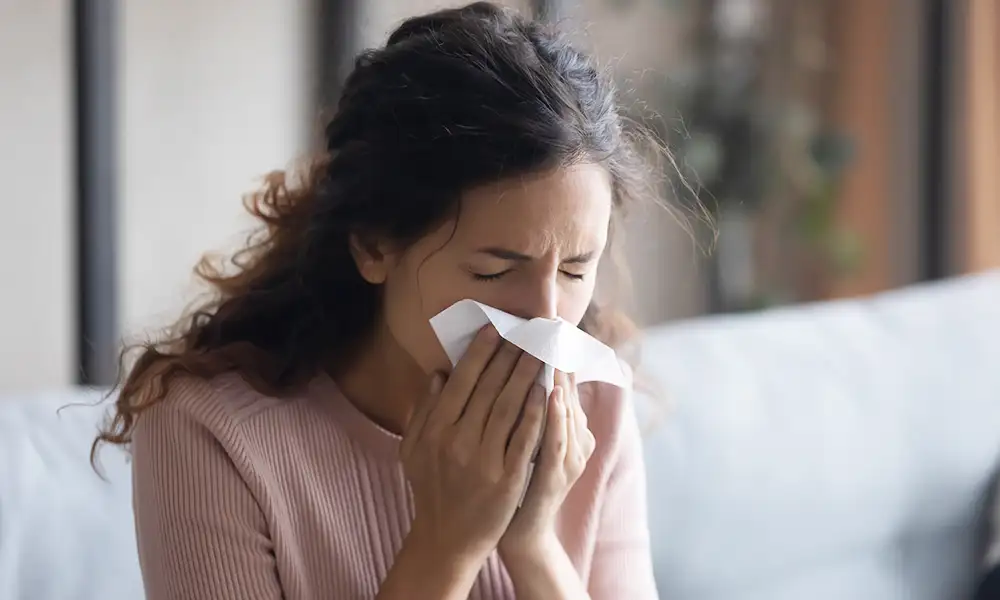
Living in Houston provides residents with countless perks, from a rich cultural backdrop to a thriving culinary scene. However, the unique climate and environmental conditions create a fertile ground for one significant challenge, managing allergies. For many Houstonians, distinguishing between chronic reactions and seasonal allergies is key to effectively navigating their health and comfort in such conditions.
The Basics of Chronic Reactions
Chronic allergies are persistent and often result from continuous exposure to specific allergens. Such allergens might include dust mites, mold, or pet dander, common culprits inside homes or workplaces. Individuals living in Houston may find chronic allergies particularly troublesome due to the area’s consistent humidity, which fosters the growth of mold and dust mites. Chronic reactions do not fluctuate with the seasons, and their symptoms can include consistent nasal congestion, sinus pressure, coughing, and even skin irritation such as eczema.
Compounding the challenge, chronic allergies may worsen over time if left untreated. For example, individuals who live in older homes with outdated HVAC systems are at greater risk of prolonged exposure to allergens like molds. Mitigating these issues often requires comprehensive strategies such as thorough cleaning routines, installing high-efficiency air filters, or even removing triggering items like carpets or upholstered furniture.
Understanding Houston’s Seasonal Allergies
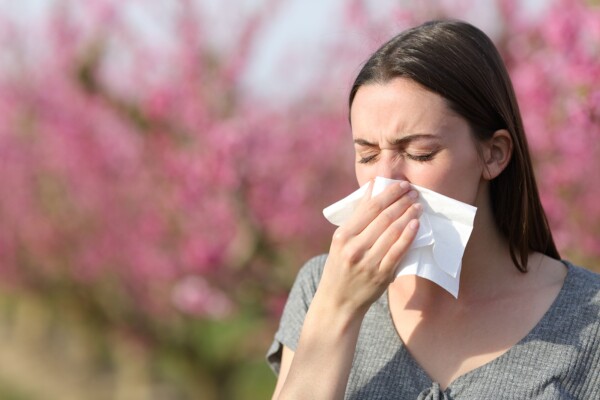
Seasonal allergies, on the other hand, are episodic in nature and align with fluctuations in pollen levels as seasons change. Spring and fall are the most challenging times for Houstonians due to pollen surges from local plants such as ragweed, oak, and grass. While seasonal allergies may appear similar in symptoms to chronic allergies-sneezing, runny nose, itchy eyes-they are usually tied to external environmental factors.
Houston’s warm climate can lead to extended pollen seasons compared to colder regions, meaning allergy sufferers may experience longer bouts of discomfort. Temperature shifts and unpredictable rainfall can further exacerbate the pollen situation, creating a nearly year-round concern for individuals sensitive to airborne allergens. Effective remedies can include over-the-counter antihistamines or nasal sprays, but for more severe cases, allergy immunotherapy administered through a medical professional might provide lasting relief.
Key Differences in Lifestyle Adjustments
Navigating both chronic reactions and seasonal allergies demands targeted lifestyle adjustments, many of which overlap. Regular indoor cleaning is a baseline for managing chronic allergens, while monitoring local pollen counts can help individuals prepare for peak allergy seasons. Home technologies such as dehumidifiers or air purifiers are particularly useful for chronic allergy sufferers and may offer some crossover benefits for those dealing with seasonal pollen as well.
Outdoor activities may present additional hurdles for individuals coping with seasonal allergies in Houston. Mowing the lawn, attending outdoor events, or simply taking a walk in the park on a breezy day can expose allergy sufferers to high levels of pollen. Wearing a mask during these times or showering immediately upon returning home can reduce exposure. Meanwhile, those dealing with chronic reactions might need to focus on making their indoor spaces a safe haven, free of allergens like mold or pet hair.
When to Seek Professional Help?
Recognizing when to seek professional medical help is essential for both chronic and seasonal allergy sufferers. Chronic allergies might demand comprehensive testing and treatment plans, such as sublingual immunotherapy (SLIT) or corticosteroid treatments, to reduce long-term exposure and inflammation. Seasonal sufferers may benefit from allergy shots to build immunity to specific pollens that impact their quality of life during Houston’s peak allergy seasons.
Conveniently, Houston offers access to a wide range of allergists and specialists experienced in tailoring allergy management plans to the local environment. From customized prescriptions to detailed action plans, these professionals can help individuals regain control over their symptoms, improving both short-term comfort and long-term health outcomes.
Conclusion
Whether you’re a lifelong Houstonian or new to the area, adopting proactive measures can significantly improve your quality of life. By tailoring your approach and perhaps working with local professionals, effectively managing chronic reactions and seasonal allergies in Houston becomes a more achievable goal. With the right strategies, Houstonians can breathe easier, both figuratively and literally, even in the face of challenging environmental factors.