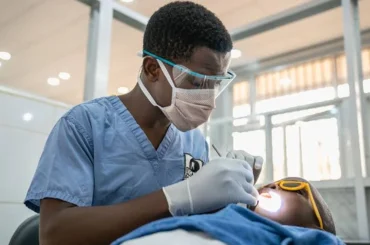

You want a dentist who can keep your family healthy, but you also care about how your smile looks. That is not vanity. It is real life. A chipped front tooth changes how you speak in meetings, how you smile in photos, and how comfortable your child feels after a sports injury. A dental visit is rarely just about cavities or just about appearance. Most of the time, it is both. For patients considering options like dental implants in Waldwick, NJ, that balance between function and appearance matters even more.
That is why family dentistry and cosmetic dentistry work so well together. One side protects oral health across every stage of life. The other improves the shape, color, and balance of your smile in ways that often support function too. When you have one office that handles routine care and aesthetic concerns, treatment feels simpler, more consistent, and easier to trust.
Family dental care and cosmetic treatment solve connected problems
A child comes in for a cleaning and the dentist notices crowding that may affect brushing and future alignment. A parent asks about whitening, then learns that old fillings or worn enamel may need attention first. A grandparent wants to replace a missing tooth because chewing has become harder, but also wants a smile that looks natural. These are not separate stories. They are connected.
Cosmetic and family dental care fit together because oral health and appearance affect each other every day. Tooth decay, gum disease, grinding, bite issues, and missing teeth all change how a smile looks. Cosmetic concerns can also reveal health concerns underneath. Stains may be harmless, or they may point to enamel wear. A cracked tooth may seem like a small flaw until it starts causing pain.
The bigger issue is delay. People often put off care when they think a problem is “just cosmetic,” then the problem grows. A small chip turns into sensitivity. Mild crowding turns into harder cleaning and more plaque buildup. According to the CDC’s overview of oral health, oral health is linked to overall health and quality of life. That connection is hard to ignore when eating, speaking, and smiling all start to feel harder than they should.
One dentist for prevention and appearance makes care easier to manage
Life gets crowded fast. School schedules, work, sports, insurance questions, and family budgets leave little room for separate providers unless there is a clear reason. A general and cosmetic dentist can often handle preventive visits, fillings, bonding, whitening, veneers, and smile repairs in one place. That saves time, but it also improves continuity.
When one team knows your child’s dental history, your bite pattern, your old restorations, and your long term goals, treatment becomes more thoughtful. You are less likely to get cosmetic work that looks good for a month but does not hold up well because the underlying issue was missed. A dentist who sees the full picture can help you choose care that is both attractive and durable.
This matters for children too. Healthy habits start early, and so does confidence. The CDC’s oral health tips for children make the basics clear. Brushing, flossing, fluoride, and regular checkups protect growing smiles. If a child later needs bonding for a chipped tooth or orthodontic planning because of spacing, that care fits naturally into the same relationship.
Cosmetic dentistry often supports function, not just appearance
People hear “cosmetic dentistry” and think only of brighter teeth. Whitening is common, but that is just one part of it. Bonding can repair chips that catch on your lip. Veneers can improve worn edges that make teeth look uneven. Crowns can restore shape and strength after damage. Replacing missing teeth can improve chewing and speech while also improving appearance.
That is why the best combined dental care services do not treat looks and function as rivals. They treat them as partners. If your bite is off, your dentist may correct that before recommending cosmetic changes. If you want whitening, they may first check for decay or gum irritation. The American Dental Association explains that professional teeth whitening should be guided by a dentist, especially when existing dental work or sensitivity is involved.
Professional dental options give you clearer long term value
Quick fixes are tempting, especially when the issue seems small. Whitening strips, online aligners, and store bought repair kits promise convenience. Sometimes they help a little. Sometimes they create a bigger mess.
| Approach | What You Get | Common Limits | Best Fit |
|---|---|---|---|
| Routine family dental care only | Cleanings, exams, fillings, preventive care | Appearance concerns may stay unresolved | Patients focused on maintenance and basic treatment |
| Cosmetic treatment without full general care | Whitening, veneers, bonding, smile upgrades | Underlying decay, gum issues, or bite problems may be missed | Limited cases with recent full dental evaluation |
| General and cosmetic dentist | Health focused care with aesthetic planning | May require phased treatment over time | Families and adults who want durable, coordinated results |
The strongest value usually comes from coordinated care. You avoid paying for cosmetic work that needs to be redone because a crack spread, a cavity formed, or gum inflammation changed the result. You also avoid the stress of hearing different opinions from different offices that do not share the same plan.
Small decisions now prevent larger dental problems later
General and cosmetic dentist care works best when you act early. You do not need a full smile makeover to benefit from this approach. Many people start with a cleaning, an exam, and one honest conversation about what bothers them. Maybe it is staining. Maybe it is an old filling in a front tooth. Maybe your child has a chipped edge that looks minor but feels rough every time they talk.
Schedule a complete exam and cleaning. This gives you a clear baseline. Your dentist can check for cavities, gum issues, enamel wear, and bite problems before suggesting cosmetic treatment.
List the health issues and smile concerns you have been ignoring. Write them down before your appointment. Include pain, sensitivity, grinding, stains, crowding, and old dental work. The details help shape a plan that fits your priorities and budget.
Ask for a phased treatment plan. You do not have to do everything at once. A smart plan may start with prevention and repairs, then move to whitening, bonding, or other cosmetic improvements when your mouth is stable.
A healthy smile and a confident smile belong together
You should not have to choose between protecting your family’s oral health and feeling good about your smile. The best care does both. When family dentistry and cosmetic dentistry come together, treatment becomes more practical, more personal, and easier to keep up with over time.
If you have been putting off care because the problem feels too small, too cosmetic, or too hard to sort out, now is a good time to take the first step. A general and cosmetic dentist can help you protect what matters and improve what has been bothering you, without turning it into something more complicated than it needs to be.