
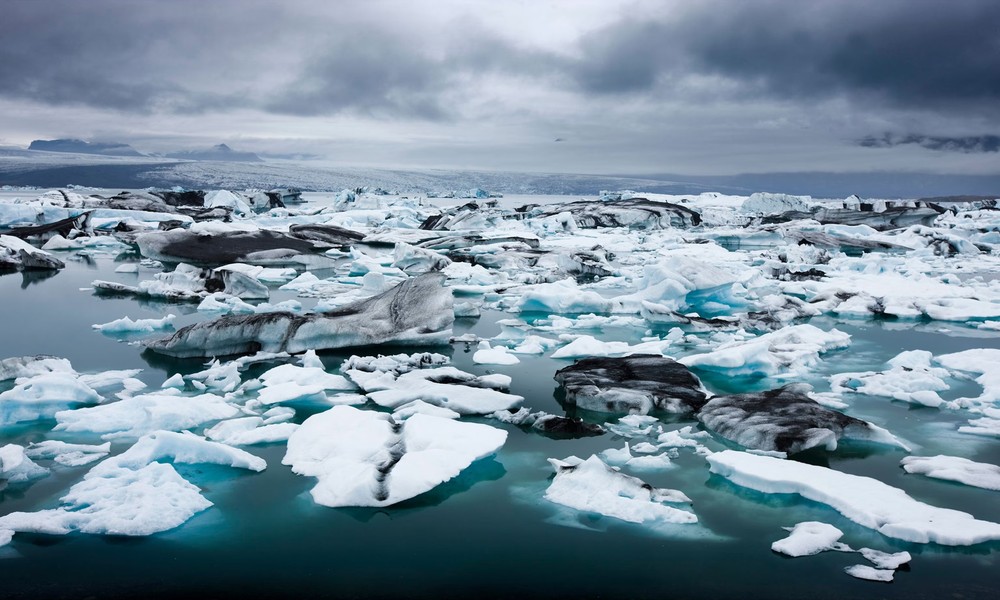
Few natural sights match a glacier for sheer presence. The massive scale alone draws gasps from first-time viewers. The impossible blues of the ice can stop a conversation entirely. The deep silence around these places feels like a different planet altogether.
For generations of travelers, glaciers represented something permanent. They were the unchanging backdrop against which human lifespans seemed brief. That permanence is no longer accurate. Glaciers around the world are receding at a pace that surprises even the scientists who study them for a living.
What Is Actually Happening to the Ice
A glacier grows when more snow falls in winter than melts in summer. The accumulated snow compresses into ice over years and decades. The whole mass moves slowly downhill under its own weight. As long as the balance between snowfall and melt stays roughly even, the glacier remains stable.
Rising average temperatures have tipped that balance. Most glaciers worldwide are now losing more ice each summer than they regain in winter. The result is a slow but steady retreat. Some smaller glaciers have already disappeared entirely. Larger ones are shrinking visibly enough that photographs taken twenty years apart show dramatic differences.
The Numbers Are Striking
The numbers tell the story without much commentary. Switzerland’s glaciers have lost about a third of their volume since 2000. Glacier National Park in Montana had 150 named glaciers in 1850. Fewer than thirty remain today, and many of those are too small to technically qualify as active glaciers anymore.
Reports from researchers suggest that most low-elevation glaciers will be gone by the end of this century. Higher-elevation glaciers in the Himalayas and the Andes will last longer but are still losing mass. Polar ice presents its own pattern of change that scientists track separately.
Alaska Remains a Window Into the Past
For travelers wanting to see glaciers in something close to their full grandeur, Alaska remains the most accessible destination in the world. The state contains roughly one hundred thousand glaciers, ranging from small mountain icefields to massive tidewater giants that calve directly into the sea.
An Alaskan cruise puts passengers within view of some of the most dramatic glaciers on the planet. Glacier Bay National Park alone features sixteen tidewater glaciers along its main inlets. Hubbard Glacier in Yakutat Bay stretches more than six miles wide at its face. Sawyer Glacier in Tracy Arm rises in folded blue walls above the fjord. Ships pause for hours so passengers can watch the ice from the rail or take smaller boats closer to the face.
The calving events are unforgettable. A piece the size of a building breaks off the face, falls into the water with a thunderous boom, and sends a small wave across the bay. Watching the ice fall is humbling in a way few experiences match.
Other Places to See Glaciers While You Still Can
Several destinations beyond Alaska offer meaningful glacier viewing. Iceland’s Vatnajokull and Solheimajokull glaciers are both accessible to visitors, with guided ice walks available at the smaller one. Norway’s Jostedalsbreen is the largest glacier on mainland Europe and supports a network of viewing points along its lower edges.
New Zealand’s Franz Josef and Fox glaciers on the South Island are unusual for their proximity to a temperate rainforest. The juxtaposition of ice and ferns within a short hike is striking. Patagonia in South America hosts the famous Perito Moreno glacier in Argentina, one of the few major glaciers in the world that has remained stable rather than retreating.
Switzerland’s Aletsch and Jungfrau areas allow visitors to view glaciers from comfortable train rides at high elevations. Cable cars carry you to viewing platforms above the ice itself. The Eiger Glacier and Aletsch Glacier together comprise some of the most beautiful alpine scenery on earth.
How to Experience Glaciers Responsibly
Glacier tourism has grown rapidly as travelers rush to see these places before they change further. The increased traffic raises its own concerns. Helicopter tours bring more people closer than ever but contribute to the carbon emissions driving the underlying change. Ice walks and ice climbing are exhilarating but require careful guidance to avoid damaging the surface or putting visitors at risk.
A few principles help. Choose operators with strong environmental practices. Stay on designated trails and viewing areas. Don’t take ice or rocks as souvenirs. Support local conservation efforts in the areas you visit.
The slower forms of glacier viewing also tend to be the more meaningful ones. A morning on a quiet observation deck watching the light change across a glacier face teaches you more than a quick helicopter overflight ever will.
Why Now Matters
The simple reality is that today’s glaciers will not be there for future generations to see in their current form. Children born today will see glaciers far smaller than the ones their grandparents saw. Some glaciers will vanish entirely within their lifetimes. This isn’t catastrophizing. It’s the consensus picture from glaciologists tracking these systems in detail.
The point isn’t to depress prospective visitors. It’s to encourage anyone who has thought about seeing a glacier to make the trip sooner rather than later. The opportunity is genuinely time-limited in ways that don’t apply to most travel destinations.
A Lasting Memory
Standing at the foot of a tidewater glacier is one of those experiences that imprints permanently on memory. The cold air pouring off the ice. The cracks and groans of the moving mass. The sudden roar of a calving event. These sensations don’t reproduce in photographs or video. They live only in the minds of people who were there to witness them firsthand.
For travelers who have wondered whether the trip is worth it, the answer is yes. Glaciers are one of the few wonders of the natural world where the urgency of visiting is real. The window is closing slowly but steadily, and the visit you take this year will be a different experience than the same trip ten years from now.