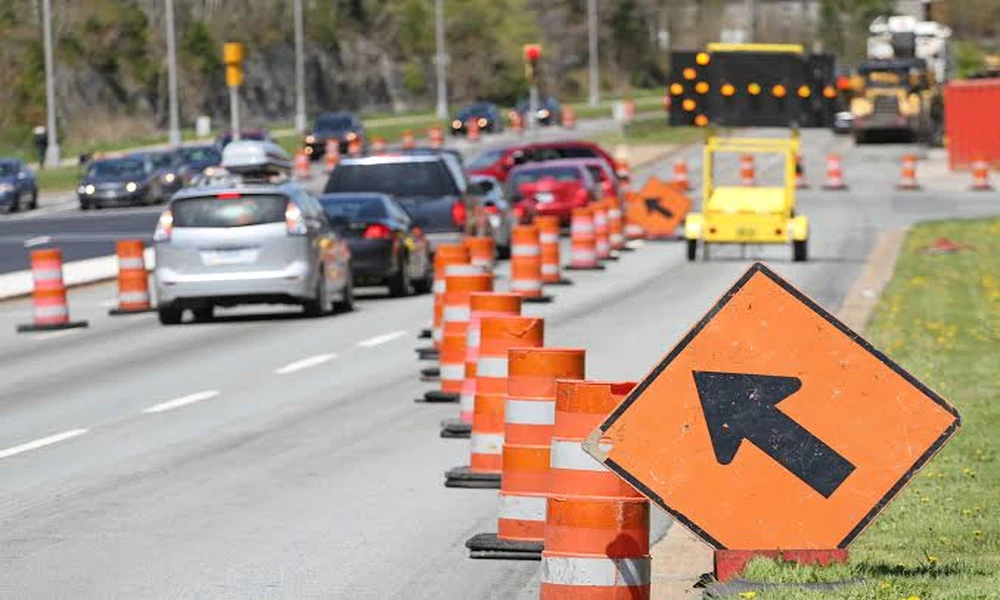
Those orange cones and warning signs scattered across Ontario’s roads are not arbitrary. They’re signals of a detailed choreography beneath the surface, one driven by safety rules, regulatory mandates, and a relentless focus on protecting people where risk is highest.
Origins and Importance of Traffic Management Safety
Long before the current regulatory era, temporary traffic control was often a patchwork affair. Early construction zones posed serious hazards to both workers and the public. Confusing detours, poorly marked work areas, and minimal warning left drivers with little time to react, leading to frequent injuries and costly delays.
It became clear that patchwork fixes would not do. Ontario’s roads demanded a systematic approach that put safety first. The emergence of regulatory frameworks, spearheaded by the Ontario Traffic Manual (OTM), brought order and clarity. At the core: the recognition that effective traffic management saves lives, minimizes disruptions, and secures the trust of drivers and workers alike.
Development and Adoption of OTM Book 7
The history of OTM Book 7 is a story of iteration and learning. Early versions offered baseline guidance, but evolving technologies, denser traffic, and new worksite challenges prompted regular updates. The April 2022 edition is the latest in a long line of improvements designed to reflect Ontario’s real-world needs.
Book 7 is built on several core principles: advance preparation, clear communication with motorists, and layered protection for people and equipment. Over decades, it has become the definitive standard for temporary traffic control across the province. Today, compliance is a practical necessity for anyone with responsibility for public roadways.
Core Components of OTM Book 7 Traffic Management Plans
Behind every safe work zone are meticulously designed segments, each with a specific function.
Advance warning zones alert drivers early, using standardized signs and placements to prepare them for upcoming changes. These zones extend far enough to prevent last-second decisions. Next come transition zones, which channel vehicles smoothly and predictably as lanes shift or merge. Buffer zones add extra space between moving traffic and active work areas, offering a critical safety cushion.
The heart of every plan is the work zone itself, the area reserved for crews, vehicles, and equipment. Here, layout precision and robust barriers create a safe space for high-risk tasks. Finally, termination zones help drivers re-enter normal traffic patterns safely, signaling the end of the disruption.
Integration with Occupational Health and Safety Act (OHSA)
OTM Book 7 does not stand alone. The Occupational Health and Safety Act (OHSA) weaves worker protection into every project. This means rigorous hazard assessments before work begins, following a hierarchy of controls: prioritizing engineering solutions, then administrative practices, and finally, personal protective equipment.
Field crews and supervisors are required to follow strict safety protocols, including wearing appropriate PPE, adhering to written work plans, and participating in regular safety briefings. These rules are non-negotiable, reinforced through daily site checks and incident reporting standards.
Training and Certification Evolution in Traffic Control
Regulations change, and so must the people who enforce them. Continuous education is a cornerstone of compliance. Personnel renew certifications regularly, covering topics from flagging procedures to emergency response. Supervisors take on additional responsibilities, mastering plan interpretation and incident command.
Adaptability is crucial. As new standards emerge and technologies develop, training programs evolve to integrate best practices. This cycle of learning ensures that no one on site is ever operating with outdated knowledge.
Site-Specific Hazard Identification and Mitigation
No two job sites are identical. Hazards on an urban arterial can differ dramatically from those on a rural highway shoulder. Crews must assess every location for unique risks, blind curves, pedestrian traffic, weather, nearby schools, or lighting issues all require tailored solutions.
Mitigation measures follow a sequence: engineering controls (like barriers), administrative controls (such as lane closures or signage), and finally, PPE for frontline staff. Success stories abound, from reducing near-misses at busy intersections to preventing equipment strikes on isolated roads.
Documentation and Compliance Verification Practices
Regulators and clients want proof that standards are met on every project. Documentation is the backbone of accountability. Signed daily site reports, photographs, equipment inspection records, and incident logs provide the paper trail.
This record-keeping is not just bureaucracy; it is a safeguard for workers and the public. It verifies that the project has met legal, contractual, and insurance requirements, ready for inspection at any moment.
The Future of Traffic Management Under OTM Book 7
Innovation continues to shape the future of traffic management. New technologies, such as smart signage, automated flagging devices, and real-time site monitoring, are finding their way into field operations. Safety standards will keep evolving as infrastructure demands and traffic volumes rise.
Those leading the way, like Salus Traffic Book 7 certified, show that embracing compliance and continuous improvement is not just about meeting today’s rules. It is about preparing for tomorrow’s challenges, one safe worksite at a time.