When the stakes are high, few decisions are as critical as choosing a bulletproof vehicle for secure transportation. Whether you’re protecting executives, high-value assets, or loved ones, the right vehicle can mean the difference between vulnerability and peace of mind.
Why Choose a Bulletproof Vehicle for Secure Transportation?
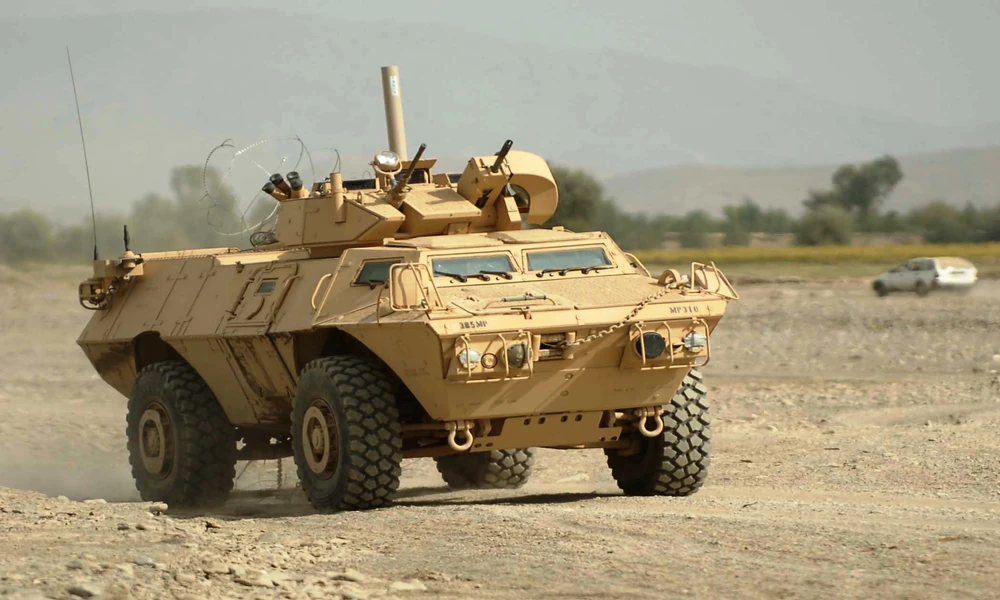
A standard car offers little resistance against modern threats. Bulletproof vehicles are engineered to create a moving fortress, shielding occupants from gunfire, forced entry, and even explosive devices. The risk landscape has evolved; criminals and assailants are more sophisticated than ever. In this environment, armored vehicles are no longer a luxury, they are a necessity for anyone facing elevated security concerns.
What Are the Key Threats Bulletproof Vehicles Protect Against?
The most common threats include ballistic attacks from handguns or rifles, attempted hijackings, and, in some cases, small explosive devices. Today’s armored vehicles are designed to counter everything from random criminal acts to coordinated assaults.
How Does Armoring Enhance Personal and Asset Security?
By reinforcing a vehicle’s glass, body panels, and critical mechanical components, armoring creates a reliable barrier. The integrity of these enhancements ensures that passengers remain safe long enough for professional response or escape.
What Are the Different Types of Bulletproof Vehicles?
The armored vehicle market offers a surprising range, from discreet sedans to rugged SUVs and specialty trucks.
How Do Armored Sedans, SUVs, and Trucks Differ?
– Sedans: Best for low-profile travel, blending into traffic in urban settings.
– SUVs: Offer superior off-road capabilities, spacious interiors, and higher levels of ballistic protection.
– Trucks: Designed for either tactical operations or transporting goods through high-risk areas.
Each class comes with trade-offs in visibility, comfort, and operational flexibility.
What Are Cash-In-Transit (CIT) Vehicles and Their Unique Features?
CIT vehicles are customized for the secure transport of cash and other valuables. They feature reinforced cargo holds, advanced locking mechanisms, and added surveillance systems, making them essential for banking and asset management.
What Levels of Ballistic Protection Are Available?
Selecting the right protection level is the heart of the buying process.
What Do Protection Ratings Mean (e.g., NIJ, VPAM Standards)?
Global standards help buyers match vehicles to anticipated threats:
– NIJ (National Institute of Justice): U.S. standard ranging from Level I (handguns) to Level IV (armor-piercing rifles)
– VPAM: European standard with grades BR2 to BR7, covering a spectrum of ballistic threats.
How to Match Protection Levels to Specific Threats?
Assess the most probable attacks in your region or line of work. For executive travel in stable environments, lower protection might suffice. In volatile regions, opt for higher-rated armoring. It’s vital to consult with experts who can evaluate your risk profile and recommend the right configuration.
What Core Features Should You Evaluate in a Bulletproof Vehicle?
Not all armored vehicles are created equal. The details matter.
How Important Is the Quality of Armor Materials and Construction?
Look for vehicles using certified ballistic steel and multilayered glass. The armoring process should maintain factory safety features and not compromise airbag functionality or structural integrity.
What Role Do Suspension, Brakes, and Chassis Upgrades Play?
Armoring adds significant weight. Without robust suspension and brake upgrades, even the best-armored car becomes sluggish and unsafe. Leading firms overhaul these elements to ensure handling, acceleration, and braking remain at peak performance.
How Do Security Systems and Surveillance Integration Enhance Safety?
Integrated security systems, such as run-flat tires, sirens, intercoms, and external surveillance, provide additional layers of protection. These features discourage attackers and give occupants critical information during security incidents.
How Does the Armoring Process Affect Vehicle Performance and Reliability?
A rigorous armoring process is the difference between life-saving protection and dangerous shortcuts.
What Are the Critical Stages of Armoring From Inspection to Quality Control?
A top-tier process includes:
1. Chassis Inspection and Preparation
2. Armor Installation and Custom Fitting
3. Mechanical Upgrades (suspension, brakes)
4. Quality Control Testing
This ensures the vehicle is safe, reliable, and ready for real-world threats.
How to Ensure Post-Sale Support and Availability of Armored Spare Parts?
Only work with manufacturers that provide ongoing support and stocked spare parts. Quick repairs and regular maintenance are essential for long-term dependability.
Which Brands and Manufacturers Lead the Bulletproof Vehicle Market?
Choosing an established provider can mean better materials, tested processes, and discreet service.
What Makes Troy Armoring a Trusted Name in Armored Vehicle Production?
Canadian-based Troy Armoring has built a reputation for meticulous craftsmanship and comprehensive solutions. Their commitment spans initial consultation, custom engineering, and attentive after-sales service. When searching for a trusted source, Troy Armoring bulletproof vehicles serve as a key benchmark for quality and reliability.
How to Evaluate Manufacturer Certifications and Industry Partnerships?
Check for compliance with NIJ, VPAM, or other recognized standards. Industry partnerships and transparent certifications are signs of a reputable firm.
What Practical Considerations Should Guide Your Purchase Decision?
The right bulletproof vehicle balances protection, performance, and everyday usability.
How to Balance Luxury, Comfort, and Security Features?
Those traveling regularly or for long periods should prioritize ergonomic interiors, connectivity, and climate control alongside safety.
What Is the Impact of Armoring on Vehicle Cost and Maintenance?
Armoring adds complexity and cost, both upfront and over the vehicle’s service life. Maintenance requires specialized knowledge; routine servicing at dealerships may not suffice.
How to Customize Armored Vehicles for Specific Operational Needs?
The best manufacturers offer tailored solutions, from tinted ballistic glass to advanced tracking systems, ensuring the vehicle fits your unique mission profile.
How to Plan for Ongoing Security and Vehicle Upkeep?
Security is not a one-time investment. Regular maintenance, component checks, and technology upgrades keep your protection current.
What Are Best Practices for Maintaining Armored Vehicles?
Follow the manufacturer’s maintenance schedule, use certified parts, and have regular inspections by experts familiar with armored vehicles.
When and How to Upgrade or Re-Armor Your Vehicle?
Threat landscapes can shift. Periodic threat assessments and consultations with your armoring provider will help determine when upgrades or a new vehicle become necessary.
Choosing the right bulletproof vehicle is not just about metal and glass. It is about foresight, expertise, and a commitment to ongoing safety. Make every decision count.