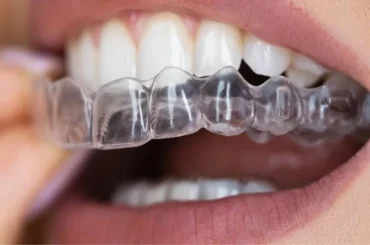
You are not just trying to book cleanings. You are keeping track of school schedules, work hours, sports, snacks, bedtime routines, and that quiet worry in the back of your mind when someone in the house says their tooth hurts. Dental care can feel like one more thing that only gets attention when there is a problem. That is where family care works differently, offering customized orthodontic care for families in Joliet, IL. Good family dental care treats what is happening now and teaches your household how to prevent the next issue.
That balance matters. A family dentist is not only checking for cavities or gum problems. They are helping children learn habits early, helping adults keep up with daily care, and helping parents make decisions that fit real life. Treatment fixes pain, damage, and disease. Education lowers the chance that your family keeps ending up in the same chair for the same reason.
Family dentistry supports both prevention and treatment
When families think about dental visits, they often picture the treatment side first. A filling, an exam, a sore tooth, a cleaning that is overdue. That makes sense because pain gets your attention fast. The harder part is everything that happens before pain starts. Plaque builds slowly. Gums get irritated little by little. A child may brush for two minutes and still miss half their teeth because no one has shown them how to angle the brush.
This is where family dental care does more than react. During routine visits, education gets folded into treatment. A dentist may spot early enamel wear and ask about sports drinks. They may see bleeding gums and talk through brushing pressure, flossing habits, or medications that dry the mouth. They may notice a child is at the stage where sealants or fluoride would help and explain why timing matters.
That guidance can save money and stress. A quick conversation about thumb sucking, sugary snacks after school, or nighttime grinding may prevent a larger issue later. A parent who learns what early decay looks like is more likely to call before a small spot turns into a painful infection. An adult who understands gum disease risks is more likely to stay consistent with care instead of waiting until chewing feels uncomfortable.
Education also lowers fear. Children often do better when they know what is happening and why. Adults do too. When a dentist explains what they are seeing in plain language, treatment feels less mysterious and less threatening. You are not being talked at. You are being equipped.
Dental education helps families build habits that last at home
The dental office gives your family a starting point, but most oral health decisions happen at home. That is why teaching matters so much. A child may hear from a dentist that brushing before bed is nonnegotiable, then take it more seriously than when a parent says the same thing for the tenth time. An adult may finally connect bleeding gums with inflammation instead of assuming it is normal.
Reliable home care advice should be age specific. Children need different support than adults, and families often need practical guidance that fits busy routines. The CDC offers oral health tips for children that cover daily habits and prevention. Adults benefit from a separate set of recommendations, including gum care and risk factors, in these oral health tips for adults. For a broader overview of brushing, flossing, and oral hygiene basics, the National Institute of Dental and Craniofacial Research provides clear guidance on oral hygiene.
The point is not perfection. Most families are not running a textbook routine every day. The goal is a system your household can repeat. Keep toothbrushes where kids can reach them. Use timers or songs for brushing. Ask older children to show you how they floss instead of assuming they know. Replace shame with coaching. That is usually what makes habits stick.
Family dentists catch different needs across every age group
One of the strengths of a practice focused on families is continuity. The same office may help a young child with first visits, a teen with sports mouthguards, a parent with a cracked filling, and a grandparent managing dry mouth or gum recession. Those needs are different, but the thread is the same. Prevention and treatment work best when they are connected.
A child with frequent cavities may need more than another filling. The real issue could be sipping juice through the day or brushing without enough fluoride toothpaste. A teen with no cavities may still need education about energy drinks, orthodontic care, or trauma prevention during sports. An adult dealing with sensitivity may need treatment, but also instruction on gentler brushing and products that protect enamel.
This is why family dentistry is not just a convenient way to group appointments. It creates a fuller picture of the household. Patterns show up. Advice becomes more personal. Care feels less fragmented.
Prevention and treatment each have a place in family dental care
| Approach | What It Looks Like | Main Benefit | Common Risk If Ignored |
|---|---|---|---|
| Education and prevention | Brushing instruction, flossing coaching, fluoride advice, diet guidance, regular exams | Lowers the chance of decay, gum disease, and surprise dental costs | Small problems go unnoticed until they need more involved treatment |
| Early treatment | Fillings, sealants, treating gum inflammation, monitoring bite changes | Stops damage before it spreads or becomes painful | Delay can lead to deeper decay, infection, or more expensive care |
| Problem only visits | Going in only when someone has pain or visible damage | Short term relief when something is wrong | Higher stress, rushed decisions, and repeated emergency issues |
Most families do not need to choose between education and treatment. They need both, delivered at the right time. Prevention reduces the need for treatment. Treatment creates the moment to teach what will prevent the next problem.
Simple steps families can take right away
Set one shared routine. Pick two fixed moments for oral care, usually after breakfast and before bed. Keep it simple enough that everyone in the house can follow it. Consistency beats ambition.
Watch for patterns, not just pain. Bad breath that does not improve, gums that bleed, sensitivity to cold, white or brown spots on teeth, and complaints about chewing all deserve attention. Waiting for severe pain usually means the issue has been building for a while.
Use dental visits as teaching time. Bring real questions. Ask about technique, snacks, fluoride, mouthguards, grinding, or habits your child is struggling to break. A good family dentist will explain treatment and show you what to do at home.
Balanced dental care gives families more control
When a dental office combines treatment with clear education, your family gets more than clean teeth. You get fewer surprises, better routines, and a better shot at preventing the stress that comes with urgent dental problems. That is the real value of a family dentist. They help you handle what is wrong today and make tomorrow easier to manage.
If your family has fallen behind or you are trying to build better habits from scratch, you are not alone. Start with the next appointment and ask for guidance that fits your real routine. Small changes, done often, are what protect your family’s oral health.