
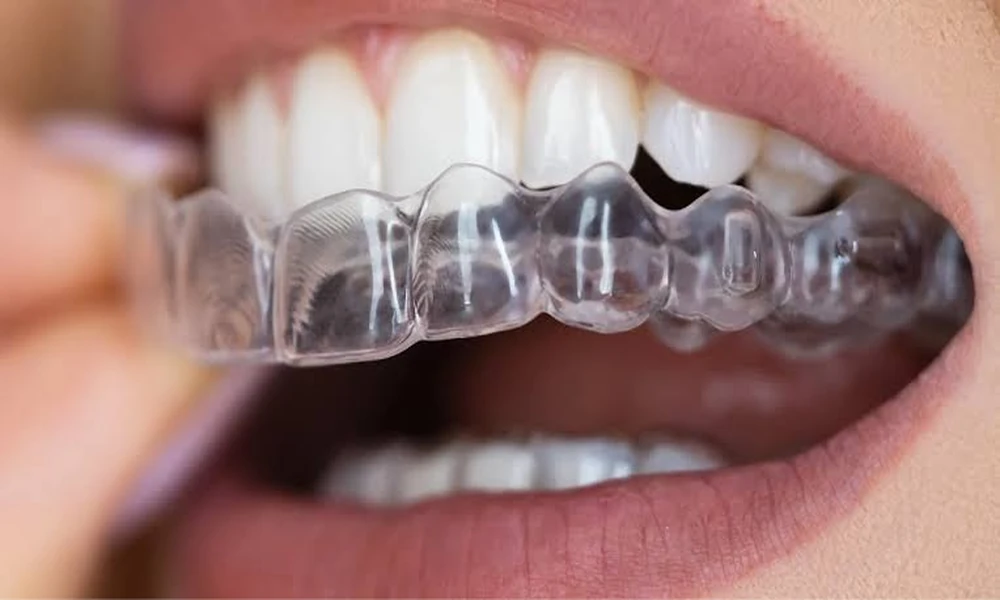
A straight smile affects how you eat, speak, and see yourself. Clear aligners give you one more quiet way to fix crooked teeth without metal in your mouth. You may feel unsure if they belong in a family office or only in a special clinic. They fit your family dentist’s work more than you might think. A trusted dentist already knows your bite, your gums, and your daily habits. That history turns clear aligner care into a safe and steady process. You get one team watching your cleanings, fillings, and tooth movement at the same time. That means fewer surprises and fewer visits to new offices. At Southgate Farms, an Indianapolis dentist can use clear aligners to close gaps, level crowded teeth, and tune small flaws that bother you every day. You gain a quiet change. You keep your daily life.
1. Clear aligners match everyday family care
Clear aligners work best when they sit inside steady care. That is what a family dentist already gives you. You come in for cleanings. You fix cavities. You watch gum health. Aligners then join that routine.
Your dentist can:
- Check your mouth for decay before you start
- Watch gum health while teeth move
- Adjust your plan if new pain or wear shows up
The Centers for Disease Control and Prevention explain that tooth decay and gum disease are common and often silent. Aligners sit over teeth for many hours each day. So you need one office that tracks both straightening and disease at the same time. That cuts risk. That protects your long-term health.
2. Aligners support your child’s growing smile
Many parents ask when to start straightening. You may fear moving too fast. You may worry you waited too long. A family dentist sees your child from the first baby tooth. That long view helps time clear aligners in a safe way.
With children and teens, a family dentist can:
- Watch jaw growth through regular X-rays
- Spot crowding before adult teeth fully come in
- Guide habits such as thumb sucking or mouth breathing
The dentist can then choose if clear aligners are right for them. Or if your child should wait. Or if a short phase of braces is better first. You stay in one office. Your child sees the same faces. That lowers fear and keeps visits calm.
3. Aligners pair with whitening and small repairs
Clear aligners sit inside a larger cosmetic plan. A family dentist can shape that plan around your life and your budget. You can straighten. Then you can brighten. Then you can repair chips or worn edges.
Common matching steps include:
- Aligners first. Teeth move into better spots.
- Whitening next. Color evens out once the teeth line up.
- Small bonding or contouring last. Edges and shape improve.
This order matters. You do not cover up crooked teeth with bonding that may later break. You also do not whiten first, then move the teeth, and see new, darker edges. Your family dentist knows your full history. So each step builds on the last one.
4. Clear aligners can protect worn and cracked teeth
Many adults grind teeth at night. You may wake with sore jaws. You may see short, flat teeth in the mirror. Clear aligners can help correct the bite that feeds grinding. They also act like a thin guard while you wear them.
Your dentist can:
- Check wear patterns on the biting edges
- Use aligners to ease heavy contact on one side
- Plan a night guard after treatment if grinding stays strong
The National Institute of Dental and Craniofacial Research notes that wear and erosion can lead to pain and broken teeth. Clear aligners fit into a plan to slow that damage. They do not replace a night guard when grinding is strong. Yet they can be part of your protection.
5. Aligners make busy family schedules easier
Every family juggles school, work, and care. Braces need more urgent visits when a wire pokes or a bracket breaks. Clear aligners avoid most of that stress.
With aligners you often have:
- Shorter check visits
- Fewer emergency calls
- More control of when you change trays
Common differences between braces and clear aligners
| Feature | Traditional braces | Clear aligners |
|---|---|---|
| Food limits | Hard and sticky food off limits | You remove trays to eat |
| Cleaning | Harder to brush around brackets | Normal brushing and flossing |
| Emergency visits | Wire and bracket break risk | Fewer urgent visits |
| Check visit time | Often longer visits | Often shorter visits |
| Look during treatment | Metal shows in photos | Plastic trays stay less visible |
A family dentist can plan visits for aligners around your cleaning schedule. You may mix a progress check with a routine exam. That saves time. It also keeps every part of your mouth on one calendar.
6. Aligners work with your health and budget
Clear aligners are not only about looks. Crooked teeth can trap food. They can make flossing hard. They can stress the jaw joint. Straightening can support long-term health and may lower future repair costs.
A family dentist can:
- Check insurance for any coverage
- Spread care over stages that fit your budget
- Match aligners with needed fillings or crowns
For example, the dentist may fix deep decay first. Then start aligners. Then, place the final crowns once teeth sit in better spots. That order can prevent early crown failure. It can also keep your bite even.
How to know if clear aligners fit your family
Clear aligners work when you or your child wears trays as directed. This often means twenty to twenty two hours each day. You remove them only to eat, drink anything except water, and clean your teeth.
You may be a good match if you:
- Have crowding or gaps that are mild to moderate
- Can keep track of trays at school or work
- Can keep up with strong brushing and flossing
A family dentist can take photos and scans. The dentist can show how your teeth might move. You can then weigh the time, cost, and daily habits against what you hope to change. You stay in control of each step.
Next step
Clear aligners are not a magic cure. They are one more precise tool in your family dentist’s kit. When used inside steady care, they can lift your health, your comfort, and your sense of self. You do not need a new clinic or a new story. You can start by asking your family dentist one simple question. Are clear aligners a safe choice for this mouth, at this time, with this life?
